
Art and technology, two seemingly disparate realms, have converged in the digital age to create a dynamic and transformative landscape of creative possibilities. This unique intersection has not only reshaped the way art is produced and consumed but has also opened doors to innovative expressions, immersive experiences, and new avenues for artistic exploration. In this comprehensive exploration, we delve into the rich tapestry of art and technology, uncovering its profound impacts and envisioning its future trajectory.
The Fusion of Creativity and Innovation
The integration of art and technology has birthed an era where creativity is amplified by the power of innovation. Artists, armed with cutting-edge tools and digital mediums, are transcending traditional boundaries to craft mesmerizing works that push the limits of imagination. From digital painting to interactive installations, technology acts as a conduit for artists to materialize their visions in ways that were previously unimaginable.
Interactive Art: Engaging the Audience
One of the hallmarks of the art and technology intersection is the rise of interactive art. Through augmented reality (AR) and virtual reality (VR), audiences are no longer passive observers but active participants in the artistic narrative. Galleries and exhibitions now offer immersive experiences where viewers can step into the artwork, explore different dimensions, and even influence the outcome, blurring the line between artist and audience.
Digital Storytelling: A New Narrative Frontier
Technology has breathed new life into the age-old tradition of storytelling. Digital platforms, social media, and multimedia presentations provide artists with versatile mediums to tell their stories. From animated short films to web-based graphic novels, artists can leverage technology to create captivating narratives that resonate with global audiences and transcend cultural boundaries.
Art Conservation and Preservation
The marriage of art and technology has also brought about innovative solutions for the conservation and preservation of cultural heritage. Advanced imaging techniques, such as 3D scanning and high-resolution photography, allow for the meticulous documentation of artworks, ensuring their longevity and accessibility for future generations. Furthermore, digital archives and online galleries provide a platform for artworks to be appreciated by a global audience, transcending geographical limitations.
Democratizing Artistic Expression
Technology has democratized artistic expression, empowering individuals from diverse backgrounds to showcase their creativity. The rise of social media platforms and online marketplaces has enabled artists to reach a global audience without the constraints of traditional gatekeepers. This democratization has not only given rise to new voices in the art world but has also challenged existing notions of artistic value and authenticity.
Challenges and Ethical Considerations
While the fusion of art and technology holds immense promise, it also raises ethical questions and challenges. Issues related to copyright, ownership, and the potential devaluation of physical art in a digital age require careful consideration. Striking a balance between technological innovation and preserving the integrity of artistic practice is a crucial conversation that continues to evolve.
Collaborative Synergy: Art and Tech Partnerships
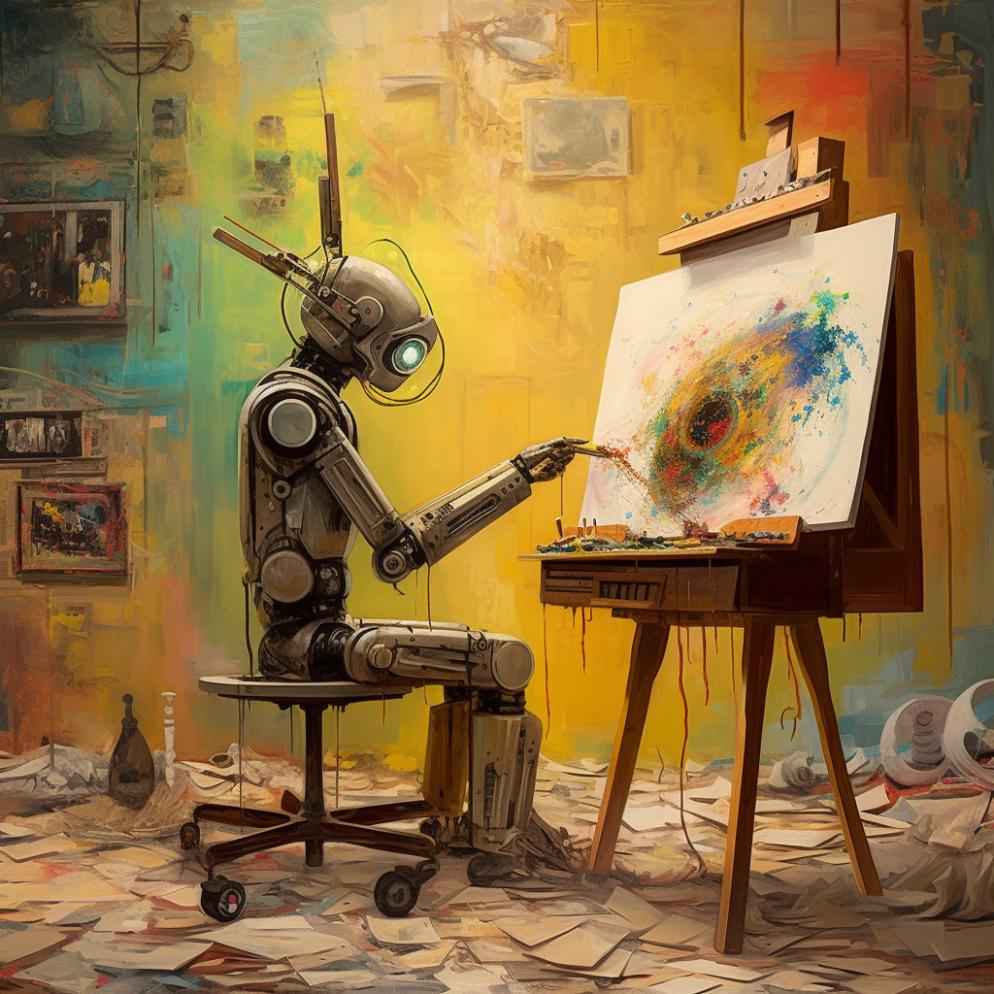
The synergy between art and technology extends beyond the realm of individual artists. Collaborations between tech companies and art institutions have led to groundbreaking projects that push the boundaries of creativity. From AI-generated artworks to robotic sculptures, these partnerships showcase the transformative potential of cross-disciplinary endeavors.
The Future Canvas: Imagining Tomorrow
As we peer into the future, the canvas of possibilities at the intersection of art and technology appears boundless. Advancements in AI, extended reality, and bio-art are poised to unlock new dimensions of artistic expression. The lines between the virtual and the physical will continue to blur, offering artists unprecedented tools to shape the cultural and creative landscapes of generations to come.
In conclusion, the fusion of art and technology represents a paradigm shift that has redefined artistic boundaries and unlocked uncharted territories of creativity. From interactive experiences to democratized expression, the digital age has ushered in a new era of artistic exploration. As we navigate this ever-evolving landscape, the interplay between art and technology promises to shape the narrative of human expression in ways that are both awe-inspiring and transformative.

The Mango Flows Editorial Team is committed to creating accurate, insightful, and reader-focused content across business, technology, AI, marketing, finance, and digital innovation. Every article is carefully researched using trusted sources to ensure quality, transparency, and reliability for our readers.