
In the annals of history, few epochs have left as profound an impact on human civilization as the Industrial Revolution. A watershed moment in the transition from agrarian and manual labor-based economies to mechanized and industrialized societies, the Industrial Revolution brought forth an array of technological advancements that not only transformed the economic landscape but also reshaped the very fabric of human existence. In this comprehensive article, we delve into the key aspects of the Industrial Revolution and its remarkable technological innovations that have continued to shape the world as we know it.
The Dawn of the Industrial Era
The Industrial Revolution emerged during the late 18th century and extended through the 19th century, fundamentally altering the ways in which goods were produced, distributed, and consumed. This period marked the transition from traditional craftsmanship to large-scale mechanized production, leading to unprecedented levels of economic growth and urbanization. Factories and mills became the epicenter of production, powered by steam engines and later, electricity.
Mechanization and Automation
At the heart of the Industrial Revolution lay the remarkable advancements in mechanization and automation. The mechanization of previously labor-intensive tasks revolutionized industries, boosting productivity and efficiency to unprecedented levels. The textile industry, for instance, witnessed the advent of mechanized looms, drastically reducing the time and effort required for fabric production. This mechanization was a pivotal turning point, setting the stage for subsequent technological breakthroughs.
Steam Power: The Driving Force
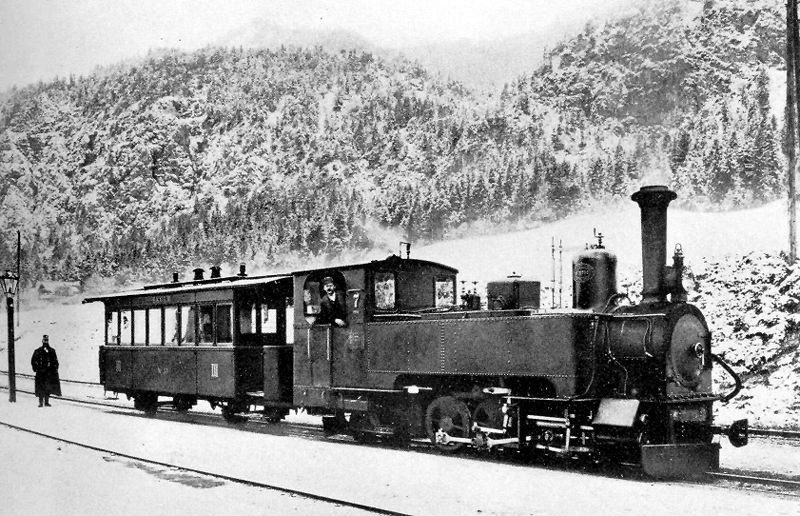
The steam engine stands as one of the most iconic symbols of the Industrial Revolution. Invented by James Watt in the 18th century, the steam engine harnessed the power of steam to generate mechanical motion. This innovation had far-reaching implications, powering factories, locomotives, and ships, thus revolutionizing transportation, manufacturing, and trade. The expansion of railways facilitated the movement of goods and people, connecting regions in ways previously thought impossible.
The Age of Innovation
The Industrial Revolution was marked by an unparalleled surge of innovation across various sectors. Communication underwent a transformation with the invention of the telegraph, enabling rapid transmission of information over long distances. The rise of iron and steel industries led to the construction of robust bridges and skyscrapers, transforming urban landscapes. Innovations in medical science and sanitation improved public health, leading to increased life expectancy.
Urbanization and Societal Shifts
As industries flourished, urban centers burgeoned. Rural populations migrated to cities in search of employment opportunities, giving rise to urbanization on an unprecedented scale. This shift in demographics brought about significant societal changes, including shifts in family dynamics and the rise of the working class. Urban planning and infrastructure development became critical to accommodate the burgeoning populations.
Impact on Global Trade
The Industrial Revolution catalyzed a transformation in global trade dynamics. Previously, local economies predominated, but with mechanized production, goods could be manufactured at a scale that allowed for international trade. This shift led to the colonization of distant lands to access raw materials and establish markets, laying the groundwork for modern globalization.
The Legacy of Technological Advancements
The technological advancements of the Industrial Revolution continue to resonate through the ages. From the advent of steam power to the mechanization of industries and the proliferation of innovative machinery, these developments laid the foundation for the modern world. Our contemporary manufacturing processes, transportation systems, and communication networks are direct descendants of the innovations that took root during this transformative era.
Conclusion
In the grand tapestry of human history, the Industrial Revolution stands as a pivotal chapter. Its technological advancements not only spurred economic growth but also reshaped societal norms, labor practices, and global trade patterns. The advent of mechanization, steam power, and innovative machinery brought forth an era of progress that continues to influence the present day. As we reflect on the Industrial Revolution, we gain a deeper understanding of the forces that have propelled humanity forward, forging a path toward modernity and shaping the world we inhabit today.

The Mango Flows Editorial Team is committed to creating accurate, insightful, and reader-focused content across business, technology, AI, marketing, finance, and digital innovation. Every article is carefully researched using trusted sources to ensure quality, transparency, and reliability for our readers.