
In the ever-evolving landscape of technological innovation, smart home devices have emerged as a cornerstone of modern living, revolutionizing the way we interact with our living spaces. From intelligent thermostats that regulate the temperature based on our preferences to voice-activated assistants that effortlessly manage our tasks, the journey of smart home devices has been nothing short of remarkable.
The Rise of Smart Home Technology
Smart home technology, often referred to as home automation or domotics, involves the integration of various devices and systems within a household to enhance convenience, efficiency, and security. The roots of this technological evolution can be traced back to the early 20th century, with the invention of basic home automation systems such as the automatic dishwasher and the home thermostat.
Key Milestones
- The Birth of Home Automation: The concept of home automation gained significant traction in the 1960s and 1970s, with the introduction of X10, a communication protocol that allowed remote control of electrical devices. This marked the beginning of the automation revolution.
- The Internet of Things (IoT): The proliferation of the internet paved the way for the Internet of Things, a network of interconnected devices that communicate and exchange data. This laid the foundation for the modern smart home ecosystem.
- Voice Recognition and AI Integration: The integration of artificial intelligence and voice recognition technology, popularized by devices like Amazon Echo and Google Home, brought about a new era of intuitive and voice-activated control.
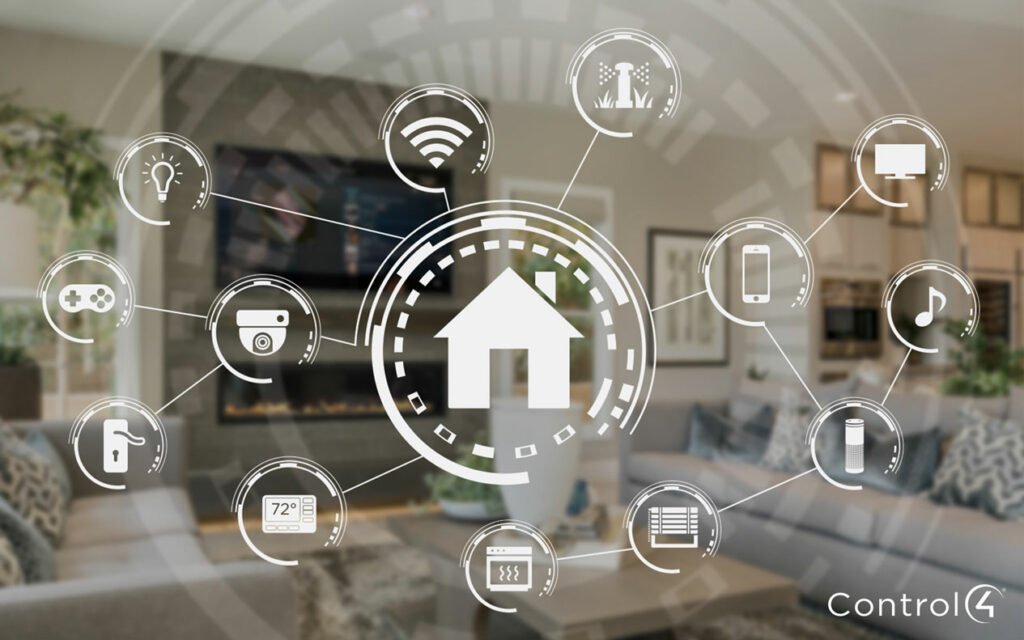
Enhancing Convenience and Efficiency
One of the primary driving forces behind the adoption of smart home devices is the unparalleled convenience and efficiency they offer to homeowners. These devices have transcended traditional household functions, introducing a new level of interconnectedness and control.
Smart Lighting and Energy Management
Smart lighting systems allow users to remotely control the brightness, color, and schedule of their lights. Energy-efficient LED bulbs combined with automated controls help reduce energy consumption, leading to lower utility bills and a smaller carbon footprint.
Intelligent Climate Control
Smart thermostats have revolutionized temperature management by learning user preferences and adjusting settings accordingly. This not only ensures optimal comfort but also results in energy savings by preventing unnecessary heating or cooling.
Seamless Security and Surveillance
Home security has been elevated to a new level with smart cameras, doorbell cameras, and motion sensors. These devices provide real-time monitoring and alerts, allowing homeowners to keep a watchful eye on their property even when they’re away.
The Future of Smart Homes
As the technological landscape continues to evolve, the trajectory of smart home devices points toward even greater integration, customization, and innovation.
Home Health and Wellness
The next frontier for smart homes lies in the realm of health and wellness. From smart beds that adjust firmness based on sleep patterns to connected appliances that promote healthier eating habits, the potential for improving well-being through technology is immense.
Sustainability and Energy Efficiency
As environmental consciousness grows, smart homes are expected to play a vital role in promoting sustainability. Advanced energy monitoring systems, solar panel integration, and smart appliances that optimize energy usage are poised to make homes more eco-friendly.
Enhanced Personalization
Future smart home devices will offer enhanced personalization through advanced AI algorithms that understand user preferences and adapt to their routines. This will create a truly tailored and seamless living experience.
Embracing the Smart Home Revolution
In conclusion, the evolution of smart home devices has ushered in a new era of convenience, efficiency, and connectivity. From streamlining everyday tasks to promoting energy savings and enhancing security, these devices have become an integral part of modern living. As technology continues to advance, the potential for further innovation within the smart home ecosystem is virtually limitless. Embracing this revolution promises to make our lives not only easier but also smarter.

The Mango Flows Editorial Team is committed to creating accurate, insightful, and reader-focused content across business, technology, AI, marketing, finance, and digital innovation. Every article is carefully researched using trusted sources to ensure quality, transparency, and reliability for our readers.