
In the fast-paced world of software development, the synergy between test automation and Agile methodologies has become indispensable. The marriage of these two powerhouses streamlines the software development lifecycle, enhancing efficiency, product quality, and customer satisfaction. In this comprehensive guide, we delve into the depths of test automation in Agile development, illuminating its benefits, implementation strategies, and the seamless integration into your Agile processes.
The Symbiosis of Test Automation and Agile Development
Understanding Agile Development
Before we delve into the intricacies of integrating test automation, it’s crucial to grasp the essence of Agile development. Agile is more than just a buzzword; it’s a philosophy, a set of principles aimed at delivering software in iterative cycles, fostering adaptability, collaboration, and continuous improvement. In Agile, change is not a deterrent but an essential part of the process.
Unveiling the Power of Test Automation
Test automation, on the other hand, empowers development teams to expedite the testing phase by automating repetitive and time-consuming tests. The marriage of Agile and test automation presents a formidable force that accelerates the software development lifecycle without compromising on quality.
The Benefits of Test Automation in Agile Development
Accelerated Feedback Loops
In the Agile realm, prompt feedback is invaluable. Test automation expedites the feedback loop by enabling swift execution of tests during each sprint. This results in the early detection of bugs and glitches, reducing the cost and effort of fixing issues down the line.
Enhanced Code Quality
Integrating test automation into Agile development enforces a stringent quality control mechanism. With automated tests running consistently, the probability of introducing new bugs decreases, leading to a more robust and reliable codebase.
Efficient Resource Utilization
Agile thrives on efficiency, and test automation aligns perfectly with this principle. Automated tests can be run parallelly across multiple configurations, minimizing the time required for exhaustive testing and optimizing resource utilization.
Continuous Integration and Continuous Deployment (CI/CD) Harmony
The seamless integration of test automation in Agile development paves the way for a harmonious CI/CD pipeline. Automated tests act as gatekeepers, ensuring that only thoroughly validated code progresses through the deployment pipeline, safeguarding the integrity of the software.
Integrating Test Automation into Your Agile Process
Identifying the Right Test Cases for Automation
Not all test cases are created equal. To maximize the efficiency of your test automation efforts, identify scenarios that are repetitive, time-consuming, and prone to human error. These are the prime candidates for automation.
Selecting the Appropriate Test Automation Tools
The market boasts a plethora of test automation tools, each with its own strengths. When integrating test automation into your Agile process, it’s imperative to choose tools that align with your project’s technology stack, testing requirements, and scalability goals.
Crafting Comprehensive Automated Test Suites
An effective automated test suite encompasses a wide array of test cases, covering various functionalities, edge cases, and integration points. These test suites act as safety nets, offering developers the confidence to implement changes fearlessly.
Embracing Continuous Testing
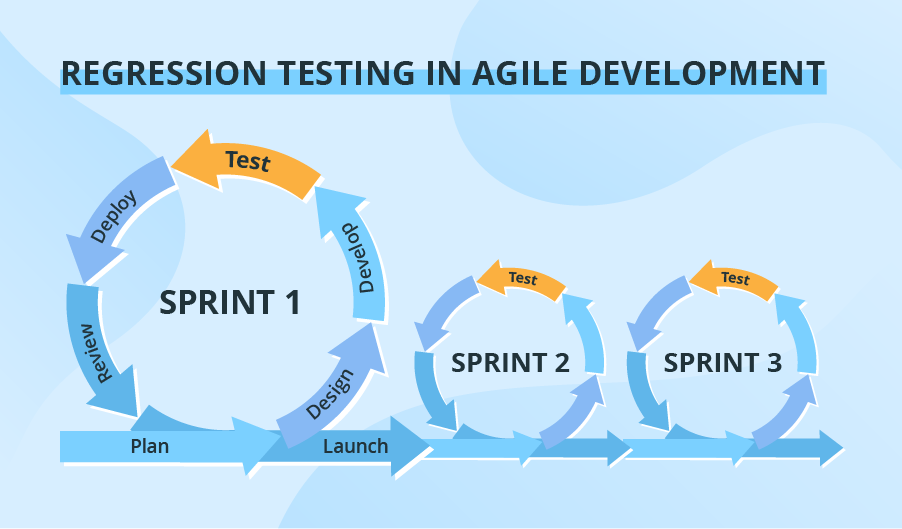
In Agile, testing isn’t a phase; it’s a continuous activity woven into every sprint. Automated tests should be seamlessly integrated into this process, providing rapid feedback and ensuring that new code doesn’t disrupt existing functionalities.
Overcoming Challenges and Maximizing ROI
Nurturing a Culture of Collaboration
Successful integration of test automation in Agile development requires a cultural shift. Collaboration between developers, testers, and other stakeholders is paramount. Transparency, open communication, and shared ownership of the testing process foster a conducive environment for this integration.
Monitoring and Maintaining Automated Test Suites
Automated tests, like any other code, require maintenance. Regularly review and update your test suites to accommodate changes in the application and prevent false positives or negatives. Continuous monitoring ensures that your automated tests remain reliable and effective.
Measuring and Optimizing ROI
Return on Investment (ROI) is a pivotal metric when evaluating the success of your test automation efforts. Monitor key performance indicators (KPIs) such as reduced bug count, faster release cycles, and resource utilization to quantify the tangible benefits.
Conclusion
In the dynamic landscape of software development, the amalgamation of test automation and Agile methodologies is no longer a luxury but a necessity. The seamless integration of test automation into your Agile process fosters efficiency, accelerates feedback loops, enhances code quality, and paves the way for a harmonious CI/CD pipeline. By embracing the principles and strategies outlined in this guide, you’re poised to embark on a transformative journey that elevates your Agile development process to unprecedented heights.

The Mango Flows Editorial Team is committed to creating accurate, insightful, and reader-focused content across business, technology, AI, marketing, finance, and digital innovation. Every article is carefully researched using trusted sources to ensure quality, transparency, and reliability for our readers.