
Introduction
The rapid pace of urbanization in the 21st century has given rise to an exciting and transformative concept: smart cities. These urban centers, fueled by the integration of cutting-edge technology and data-driven solutions, are poised to revolutionize the way we live, work, and interact with our surroundings. In this in-depth exploration, we delve into the intricacies of smart cities, uncovering the pivotal role of the Internet of Things (IoT) and data in shaping the urban landscapes of the future.
Defining Smart Cities
At its core, a smart city is a dynamic ecosystem where technology converges with urban infrastructure to enhance efficiency, sustainability, and quality of life for residents. The driving force behind smart cities is the seamless connectivity and interaction between various components, such as transportation, energy, healthcare, and public services.
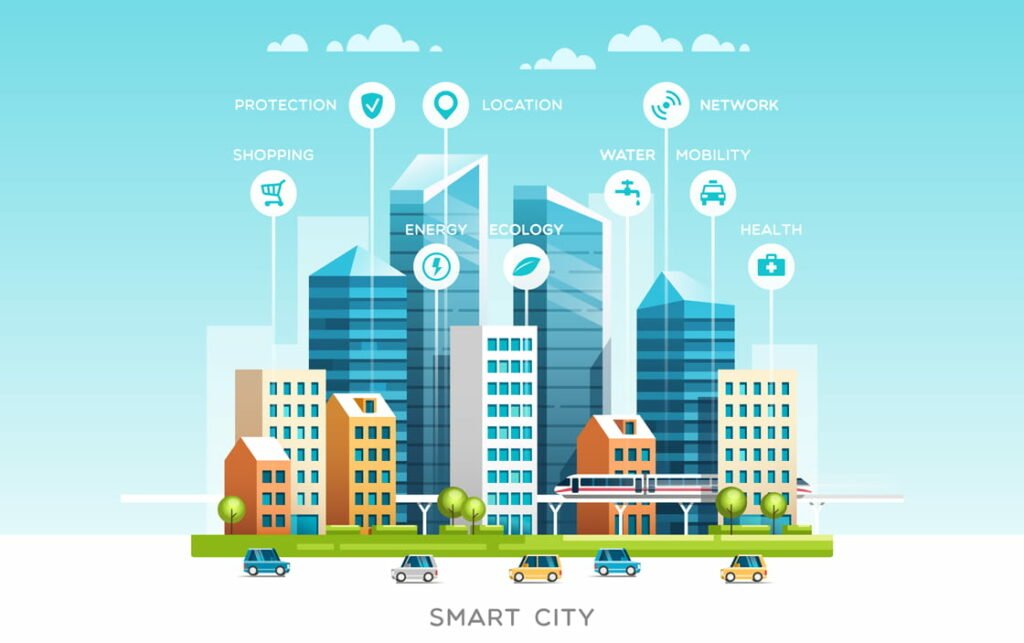
The Role of IoT in Smart Cities
1. Connected Infrastructure
IoT forms the backbone of smart cities, enabling the interconnection of devices, sensors, and systems across the urban landscape. From smart traffic lights that optimize traffic flow to waste management systems that alert authorities when bins are full, IoT enhances the efficiency of essential services.
2. Data-Driven Decision Making
The proliferation of IoT devices generates a vast amount of data, which, when properly harnessed, can provide valuable insights for urban planning and resource allocation. Real-time data analytics enable city officials to make informed decisions, predict trends, and proactively address issues.
3. Energy Efficiency
IoT-enabled sensors and smart grids help cities manage energy consumption more effectively. Streetlights that adjust their brightness based on ambient light conditions, and buildings that automatically regulate temperature and lighting, contribute to reduced energy waste and lower carbon emissions.
Transforming Urban Living
1. Efficient Transportation
Smart cities leverage IoT to create intelligent transportation systems that alleviate traffic congestion and promote sustainable mobility. Real-time traffic monitoring, predictive maintenance for public transportation, and ride-sharing platforms optimize commuting experiences.
2. Enhanced Safety and Security
IoT-enabled surveillance and monitoring systems enhance public safety. Smart cameras equipped with facial recognition software can identify criminal activity, while emergency response systems receive real-time data to deploy resources effectively during crises.
3. Sustainable Infrastructure
Smart cities prioritize sustainability by incorporating renewable energy sources and optimizing resource management. IoT-powered water management systems detect leaks and monitor water quality, ensuring efficient water usage and reducing waste.
4. Citizen Engagement
Technology fosters citizen engagement and participation in urban governance. Mobile apps and digital platforms empower residents to report issues, access public services, and contribute to community initiatives, fostering a sense of ownership and collaboration.
Challenges and Considerations
The evolution towards smart cities is not without its challenges. Privacy concerns, data security, digital divide, and the potential for overreliance on technology are all important factors to address. Striking a balance between innovation and ethical considerations is crucial for the sustainable development of smart cities.
Collaborative Future
The journey towards smarter urban living demands collaborative efforts between governments, tech companies, urban planners, and citizens. Partnerships that foster innovation, ensure inclusivity, and prioritize sustainability are vital for the successful transformation of cities into intelligent, interconnected hubs.
Conclusion
Smart cities are not merely a futuristic concept; they are a tangible and evolving reality that has the potential to reshape our urban landscapes for the better. As technology continues to advance, the harmonious integration of IoT and data-driven solutions will play a pivotal role in creating cities that are not only efficient and sustainable but also vibrant and livable.

The Mango Flows Editorial Team is committed to creating accurate, insightful, and reader-focused content across business, technology, AI, marketing, finance, and digital innovation. Every article is carefully researched using trusted sources to ensure quality, transparency, and reliability for our readers.