

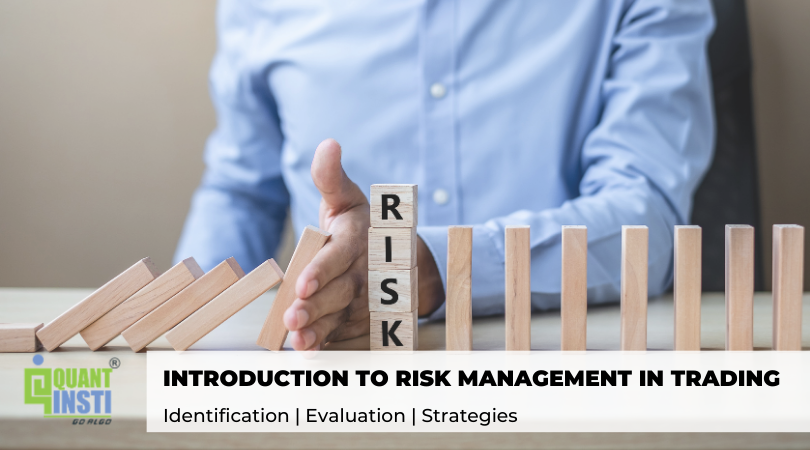
In the world of stock market investing, volatility is an ever-present factor that can create both opportunities and challenges. Navigating through turbulent market conditions requires a robust risk management strategy. This article explores effective risk management techniques designed to safeguard your investments and help you thrive even in the most volatile stock markets.
Understanding Volatile Stock Markets
Volatile stock markets are characterized by rapid and unpredictable price fluctuations. These fluctuations can be triggered by a variety of factors, including economic indicators, geopolitical events, and market sentiment. While volatility can create potential for significant gains, it also amplifies the risk of losses, making risk management a critical component of successful investing.
Risk Management Techniques
1. Diversification
Diversification is a cornerstone of risk management. By spreading your investments across different asset classes, sectors, and industries, you can reduce the impact of poor performance in a single area. Diversification helps mitigate the potential for substantial losses from a sudden downturn in a specific stock or sector.
2. Asset Allocation
Strategic asset allocation involves determining the proportion of your portfolio allocated to different types of assets, such as stocks, bonds, and cash equivalents. The right asset allocation can help you strike a balance between risk and potential return based on your risk tolerance and investment objectives.
3. Stop-Loss Orders
A stop-loss order is a preset instruction to sell a stock when it reaches a specific price. This technique helps limit potential losses by triggering a sale before the price falls further. Stop-loss orders provide a level of automated protection, ensuring that you exit a position before a substantial decline occurs.
4. Hedging
Hedging involves using financial instruments, such as options or futures, to offset potential losses. For instance, buying put options can allow you to profit from a stock’s decline, offsetting losses in your portfolio. While hedging can be complex, it can provide a layer of protection during volatile market conditions.
5. Dollar-Cost Averaging
Dollar-cost averaging involves investing a fixed amount of money at regular intervals, regardless of market conditions. This technique reduces the impact of market fluctuations on your overall investment. Over time, dollar-cost averaging can lead to a lower average cost per share and help you avoid making impulsive decisions based on short-term market movements.
6. Research and Education
In-depth research and ongoing education are invaluable risk management tools. Understanding the companies you invest in, their financial health, and the factors driving market volatility empowers you to make informed decisions. Staying informed about market trends and global events enables you to react calmly to changing conditions.
7. Emergency Fund
Maintaining an emergency fund outside of your investment portfolio provides a safety net during times of financial stress. Having readily available funds can prevent you from making hasty decisions, such as selling stocks at a loss, to cover unexpected expenses.
Developing a Personalized Strategy
Effective risk management requires tailoring strategies to your individual financial situation, risk tolerance, and investment goals. As you construct your risk management plan, consider seeking advice from financial professionals who can provide personalized guidance based on your unique circumstances.
Conclusion
Volatile stock markets are a reality that investors must contend with, but effective risk management techniques can help you navigate the challenges and seize the opportunities. Diversification, asset allocation, and strategic tools like stop-loss orders and hedging can provide a safeguard against significant losses. Moreover, a commitment to research, ongoing education, and a well-thought-out emergency fund can fortify your ability to weather market storms with confidence. By implementing these risk management techniques, you can proactively protect your investments and position yourself for long-term success in even the most unpredictable stock market environments.
