
Introduction
In the realm of technological advancements, few frontiers are as captivating and transformative as neural interface technology. This revolutionary field, also known as brain-computer interfaces (BCIs), holds the promise of seamlessly bridging the gap between the human mind and machines. In this comprehensive article, we explore the intricacies of neural interface technology, its remarkable potential applications, and the profound impact it could have on various aspects of our lives.
Unveiling the Brain-Computer Interface
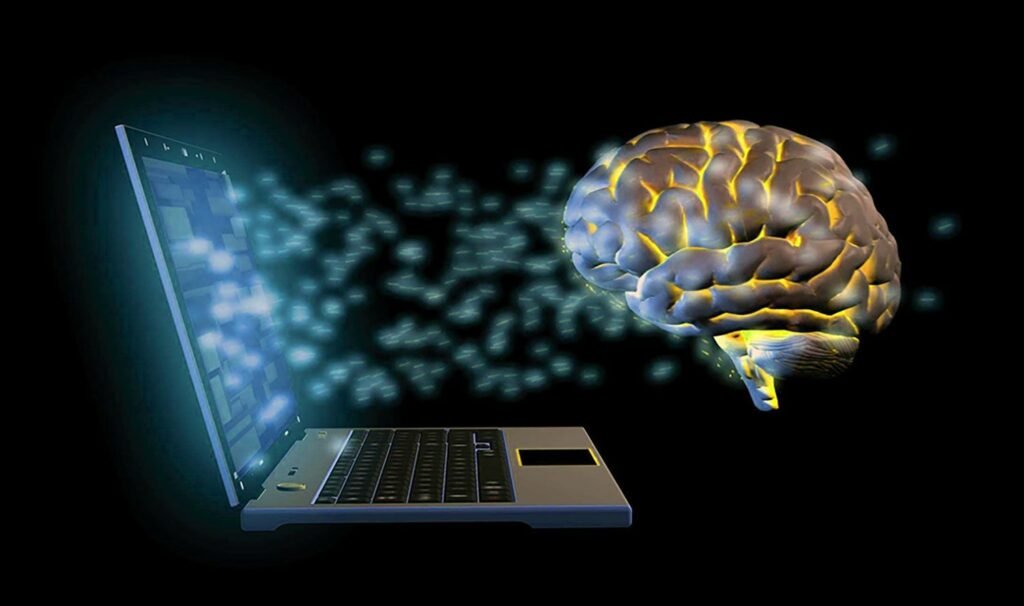
At the core of neural interface technology lies the concept of establishing a direct communication link between the human brain and external devices, such as computers and prosthetics. This entails deciphering the intricate language of neural signals and translating them into actionable commands. The development of BCIs involves an interdisciplinary approach, combining neuroscience, engineering, and computer science to create a seamless interaction between minds and machines.
The Marvels of Neural Interface Technology
1. Restoring Lost Abilities
One of the most awe-inspiring applications of BCIs is their potential to restore lost sensory or motor functions. Individuals who have experienced paralysis due to spinal cord injuries or neurodegenerative diseases could regain mobility and independence through neural interfaces. By decoding neural signals associated with movement or sensory perception, BCIs could enable the control of robotic limbs or the sensation of touch.
2. Enhancing Cognitive Abilities
Imagine a world where mental acuity and cognitive functions are amplified through neural interface technology. BCIs could facilitate direct communication between brains and computers, enabling faster and more efficient information processing. This could have profound implications for education, research, and problem-solving, opening up new frontiers of human intelligence.
3. Treating Neurological Disorders
Neural interface technology holds immense potential for treating a wide array of neurological disorders. By modulating neural activity and restoring proper communication within the brain, BCIs could offer therapeutic solutions for conditions such as epilepsy, depression, and even neurodevelopmental disorders like autism.
4. Expanding Communication Horizons
For individuals with severe communication impairments, such as locked-in syndrome, BCIs could serve as a lifeline to the outside world. By translating their thoughts into text or speech, these individuals could express themselves and engage in meaningful interactions, thereby enriching their quality of life.
Navigating Ethical and Social Considerations
While the possibilities presented by neural interface technology are tantalizing, they also raise important ethical and societal questions. Issues related to privacy, data security, consent, and the potential for cognitive augmentation warrant careful examination. Striking a balance between technological progress and safeguarding individual rights and autonomy is imperative as we venture further into this uncharted territory.
Collaborative Endeavors and Future Prospects
The advancement of neural interface technology relies on collaborative efforts between researchers, clinicians, ethicists, and policymakers. As we tread the path towards realizing the full potential of BCIs, interdisciplinary cooperation is essential for addressing challenges, refining techniques, and ensuring the responsible and equitable integration of this technology into our lives.
Applications Across Diverse Domains
Healthcare and Medicine
Neural interface technology could usher in a new era of personalized medicine, where treatments are tailored to an individual’s neural profile. From pain management to neurological rehabilitation, BCIs have the potential to revolutionize healthcare and improve patient outcomes.
Education and Learning
In the realm of education, BCIs could reshape how we learn and retain information. Imagine students effortlessly accessing and comprehending complex subjects by directly interfacing with digital learning platforms through their thoughts.
Entertainment and Gaming
The world of entertainment could be enriched by BCIs, offering immersive experiences that respond to users’ neural signals. Gaming, virtual reality, and interactive storytelling could reach unprecedented levels of engagement and realism.
Accessibility and Inclusion
Neural interfaces have the power to level the playing field for individuals with disabilities, providing equal access to communication, education, and employment opportunities. This technology has the potential to break down barriers and create a more inclusive society.
Conclusion
Neural interface technology stands at the crossroads of science fiction and reality, offering a glimpse into a future where the boundaries between human minds and machines blur. The potential applications of BCIs are as vast and diverse as the human imagination, promising to reshape industries, transform lives, and redefine the very essence of what it means to be human.

The Mango Flows Editorial Team is committed to creating accurate, insightful, and reader-focused content across business, technology, AI, marketing, finance, and digital innovation. Every article is carefully researched using trusted sources to ensure quality, transparency, and reliability for our readers.