
In recent years, the field of genetic research and manipulation has undergone a revolutionary transformation, with the emergence of the powerful Crispr-Cas9 technology. This groundbreaking tool has opened doors to a multitude of possibilities, from curing genetic diseases to enhancing agricultural productivity. In this comprehensive article, we delve into the potential of Crispr-Cas9 and gene editing, while also scrutinizing the ethical considerations that accompany such advancements.
Unveiling the Power of Crispr-Cas9
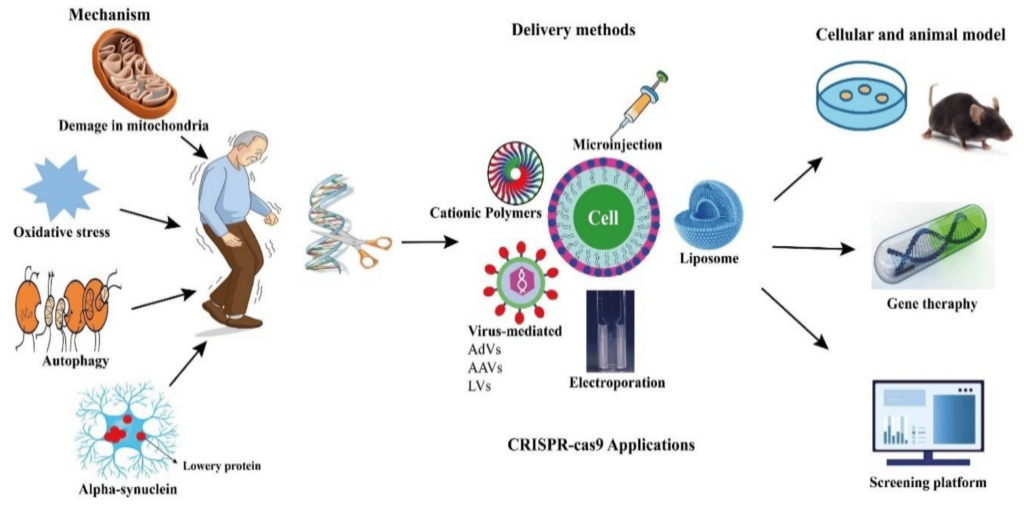
Crispr-Cas9, short for “Clustered Regularly Interspaced Short Palindromic Repeats-CRISPR-associated protein 9,” is a cutting-edge gene-editing technique that acts as molecular scissors within the realm of genetic material. Its unique ability to precisely target and modify specific DNA sequences has captured the attention of scientists, medical professionals, and researchers worldwide.
Genetic Disease Eradication
One of the most promising applications of Crispr-Cas9 lies in the realm of genetic disease treatment. By targeting and correcting faulty genes responsible for hereditary disorders, this technology has the potential to revolutionize the healthcare landscape. Diseases like cystic fibrosis, sickle cell anemia, and certain types of cancers could be effectively treated at the genetic level, offering renewed hope to countless individuals and families.
Agricultural Advancements
Beyond human health, Crispr-Cas9 has far-reaching implications for agriculture. The technology could be harnessed to engineer crops with enhanced nutritional content, increased resistance to pests, and greater tolerance to adverse environmental conditions. This could play a pivotal role in addressing global food security challenges and ensuring sustainable agricultural practices.
Navigating Ethical Frontiers
While the possibilities presented by Crispr-Cas9 are undeniably exciting, they also raise a host of ethical questions that demand careful consideration.
Germline Editing: A Controversial Frontier
The ability to modify the genes of an organism extends to germline editing, which involves altering genetic material that can be passed down to future generations. This concept sparks debates over the potential for designer babies and the ethical implications of such genetic manipulation. Striking a balance between scientific progress and ethical boundaries is paramount to ensure responsible use of this technology.
Environmental Impact
In the realm of agriculture, gene-edited crops have the potential to transform farming practices. However, concerns arise about the potential unintended consequences of releasing genetically modified organisms into the environment. Robust risk assessment and comprehensive monitoring mechanisms must be in place to mitigate any adverse effects on ecosystems.
Access and Equity
As Crispr-Cas9 technology advances, questions about equitable access to its benefits emerge. Ensuring that these breakthroughs are accessible to all segments of society, regardless of socioeconomic status, is a critical consideration. Failure to address this issue could exacerbate existing disparities in healthcare and exacerbate social inequalities.
Shaping a Responsible Future
As we stand at the crossroads of innovation and ethical contemplation, it is imperative that society engages in meaningful discourse to shape the trajectory of Crispr-Cas9 and gene editing. The potential to alleviate human suffering and enhance the world around us is immense, but so too is the responsibility to exercise caution and foresight.
In conclusion, Crispr-Cas9 stands as a revolutionary tool with the power to rewrite the genetic code of life itself. Its potential to treat genetic diseases and transform agriculture holds immense promise, yet the ethical implications cannot be ignored. Striking a harmonious balance between scientific progress and ethical considerations is paramount, as we collectively navigate the uncharted waters of genetic manipulation.

The Mango Flows Editorial Team is committed to creating accurate, insightful, and reader-focused content across business, technology, AI, marketing, finance, and digital innovation. Every article is carefully researched using trusted sources to ensure quality, transparency, and reliability for our readers.