
In recent years, the automotive industry has witnessed remarkable advancements in technology, leading to the integration of biometrics into vehicles. This transformative innovation has not only revolutionized the way we interact with our cars but has also significantly elevated security measures and personalized driving experiences. In this article, we delve into the world of biometrics in vehicles, exploring the cutting-edge features, enhanced security protocols, and the seamless integration of biometric technology for a safer and more personalized journey.
The Rise of Biometric Technology in Vehicles
Biometric technology, once confined to the realms of science fiction, has now become an integral part of modern vehicles. This technology harnesses unique physiological and behavioral characteristics, such as fingerprints, facial recognition, iris scans, voice patterns, and even heartbeat analysis, to establish the identity of drivers and passengers. The result is a heightened level of security and convenience that traditional key-based systems could never provide.
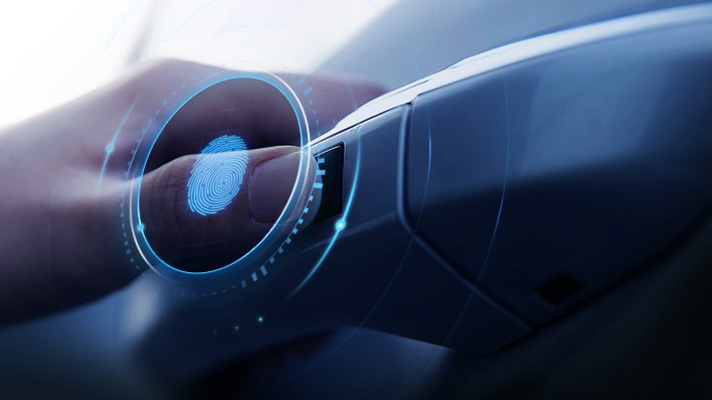
Seamless Authentication and Keyless Entry
One of the primary applications of biometrics in vehicles is seamless authentication and keyless entry. Imagine approaching your vehicle and, without the need for a physical key or fob, the car recognizes you through a combination of facial recognition and fingerprint scanning. This eliminates the hassle of fumbling for keys and enhances the overall driving experience.
Personalized Driving Settings
Biometrics in vehicles go beyond just security; they also offer a personalized driving experience. As drivers and passengers enter the vehicle, the integrated biometric system can automatically adjust various settings to match individual preferences. From seat positioning and climate control to entertainment choices, the car becomes attuned to your unique requirements, making every journey not only secure but also exceptionally comfortable.
Unparalleled Security Measures
With the integration of biometric technology, vehicles are now equipped with unparalleled security measures that deter theft and unauthorized access. Traditional key-based systems are susceptible to theft or duplication, leaving vehicles vulnerable to criminals. Biometrics, however, provide a dynamic and ever-evolving layer of protection.
Advanced Anti-Theft Mechanisms
Biometric technology offers advanced anti-theft mechanisms that are nearly impossible to replicate. A potential thief cannot simply pick a lock or hotwire a car; they would need to bypass sophisticated biometric authentication, which is a formidable challenge. This feature alone has significantly reduced vehicle theft rates, giving car owners peace of mind.
Real-time Monitoring and Alerts
Another remarkable aspect of biometrics in vehicles is real-time monitoring and alerts. The vehicle’s biometric system constantly analyzes the driver’s vital signs and behavior, detecting any anomalies that could indicate unauthorized access or potential danger. In such cases, the system can immediately send alerts to the owner’s smartphone or a designated security center, allowing for swift action to be taken.
The Future of Biometrics in Vehicles
As technology continues to evolve, the future of biometrics in vehicles holds even more promise. Manufacturers are exploring innovative ways to enhance existing features and introduce new functionalities that will further elevate security and personalization.
Health Monitoring and Well-being
In the near future, biometrics could extend beyond security and driving settings. Imagine a vehicle that monitors your health while you drive, measuring vital signs and stress levels. This data could be used to create a safer driving environment, alerting the driver if they appear fatigued or stressed, thus preventing accidents and promoting well-being.
Seamless Integration with Smart Cities
Biometrics in vehicles can also seamlessly integrate with smart city infrastructure. Imagine a scenario where traffic signals and road conditions are optimized based on real-time biometric data collected from vehicles. This integration could lead to smoother traffic flow, reduced congestion, and a more efficient transportation system.
Conclusion
The integration of biometrics in vehicles marks a significant milestone in the automotive industry’s evolution. With its ability to provide enhanced security measures, personalized driving settings, and the potential for revolutionary future applications, biometric technology is reshaping the way we interact with our cars. As manufacturers continue to innovate and refine this technology, we can look forward to a future where our vehicles not only transport us but also prioritize our safety, comfort, and well-being.

The Mango Flows Editorial Team is committed to creating accurate, insightful, and reader-focused content across business, technology, AI, marketing, finance, and digital innovation. Every article is carefully researched using trusted sources to ensure quality, transparency, and reliability for our readers.