
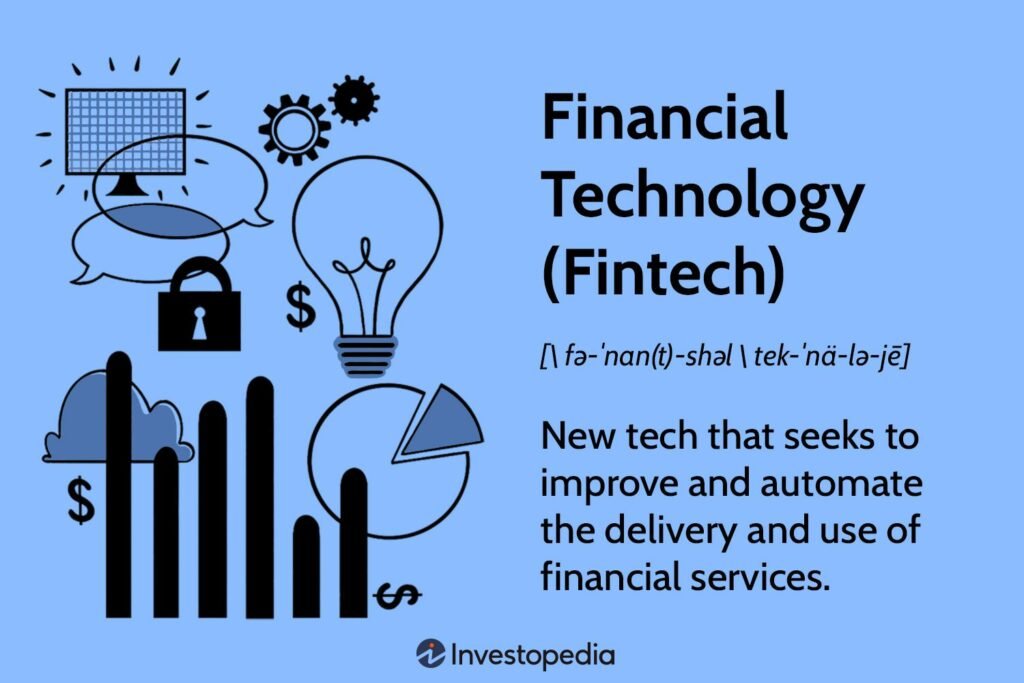
In the ever-evolving realm of finance, the advent of Financial Technology, or Fintech, has emerged as a powerful catalyst, reshaping and revolutionizing the landscape of financial services. From seamless transactions to advanced analytics, Fintech has swiftly become a driving force, propelling traditional financial paradigms into a new era. In this comprehensive article, we delve deep into the dynamics of Fintech disruption, its multifaceted impacts, and its implications for the future.
The Rise of Fintech: A Paradigm Shift
Fintech, a fusion of finance and technology, has emerged as a game-changer, dismantling the conventional notions of banking and financial services. With technological advancements and a surge in digital adoption, Fintech companies have introduced innovative solutions that cater to the evolving needs of consumers. From peer-to-peer lending platforms to mobile payment apps, the Fintech ecosystem is a diverse playground of innovation.
Empowering Financial Inclusion
One of the remarkable aspects of Fintech disruption is its ability to foster financial inclusion. Traditional banking systems often left a significant portion of the population underserved, particularly in remote or economically disadvantaged areas. Fintech bridges this gap by offering accessible and user-friendly financial services, ensuring that individuals previously excluded from the formal financial sector can now access banking, loans, and investment opportunities.
Redefining Transactions: Speed and Efficiency
Gone are the days of cumbersome paperwork and lengthy processing times. Fintech has introduced a new level of convenience and efficiency to transactions. With the advent of blockchain technology, secure and transparent transactions are now a reality. Cryptocurrencies, powered by blockchain, have not only paved the way for digital currencies but have also enabled faster and cheaper cross-border transactions.
Personalized Financial Management
Fintech has empowered individuals with tools for better financial management. Personal finance apps and robo-advisors offer tailored solutions for budgeting, saving, and investing. These tools utilize data analytics and artificial intelligence to provide insights into spending patterns and offer recommendations for optimizing financial decisions.
The Reinvention of Lending
Lending, a cornerstone of the financial industry, has undergone a significant transformation thanks to Fintech disruption. Peer-to-peer lending platforms have emerged, connecting borrowers directly with investors. This disintermediation not only streamlines the lending process but also opens up new avenues for credit access, especially for those with limited credit histories.
Regulatory Challenges and Opportunities
While Fintech disruption has ushered in a wave of innovation, it has also posed regulatory challenges for governments and financial institutions. Striking the balance between fostering innovation and ensuring consumer protection remains an ongoing endeavor. Regulatory sandboxes and collaborative efforts between regulators and Fintech companies are shaping the regulatory landscape and fostering a conducive environment for growth.
Collaborative Synergy: Traditional Finance Meets Fintech
Rather than being at odds, traditional financial institutions are increasingly recognizing the value of collaborating with Fintech companies. Partnerships and investments are driving synergies, enabling banks to leverage Fintech expertise and technology to enhance their services. This collaboration not only improves customer experiences but also accelerates the pace of innovation within the industry.
Future Horizons: Fintech’s Trajectory
As Fintech continues to disrupt and redefine the financial services sector, its trajectory points toward further transformation. Artificial intelligence, machine learning, and decentralized finance are anticipated to play pivotal roles in shaping the future of Fintech. The integration of these technologies will likely lead to even more sophisticated solutions, paving the way for a truly digital and inclusive financial ecosystem.
In conclusion, the phenomenon of Fintech disruption has set in motion a series of transformative changes within the financial services industry. From empowering the underserved to redefining transactions and fostering collaboration, Fintech’s impact is undeniable. As the journey of Fintech unfolds, its potential to reshape and enhance financial services remains a beacon of innovation on the horizon.

The Mango Flows Editorial Team is committed to creating accurate, insightful, and reader-focused content across business, technology, AI, marketing, finance, and digital innovation. Every article is carefully researched using trusted sources to ensure quality, transparency, and reliability for our readers.