
Photography, an art form and a technology that has captured the essence of moments and preserved memories for generations, has undergone a remarkable evolution from its inception. From the early days of daguerreotypes to the modern era of digital cameras, the journey of photography is a captivating tale that intertwines human ingenuity, technological advancement, and artistic expression. In this comprehensive article, we traverse through the rich history of photography, exploring its transformative milestones and the profound impact it has had on our visual culture.
Dawn of a New Era: Invention of the Daguerreotype
The year 1839 marked a defining moment in the history of visual documentation with the announcement of the daguerreotype process by Louis Daguerre. This groundbreaking technique, named after its inventor, revolutionized the way images were captured. Daguerreotypes, made on polished silver-coated copper plates, produced exquisitely detailed monochromatic images that immortalized subjects with unparalleled clarity. The daguerreotype process introduced the world to photography, sparking widespread fascination and laying the foundation for future innovations.
The Evolution of Photographic Processes: From Wet Plate to Film
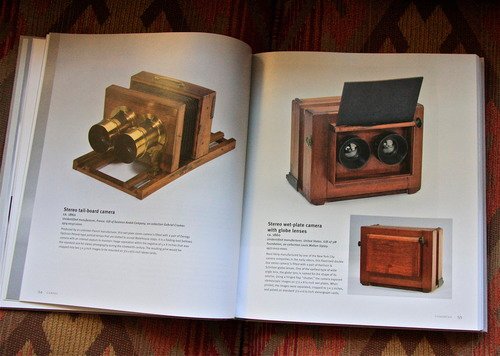
As the 19th century progressed, photography underwent rapid advancements. The introduction of the wet plate collodion process by Frederick Scott Archer in 1851 brought about a significant improvement in image quality and accessibility. This technique allowed for the creation of glass negatives, enabling multiple prints to be made from a single negative.
The subsequent development of dry plate photography and roll film by pioneers like George Eastman and John Carbutt further democratized photography, making it more convenient and accessible to a broader audience. The introduction of flexible roll film marked a pivotal moment, setting the stage for the portable and handheld cameras that would become emblematic of the medium.
The Birth of Modern Photography: Kodak and the Brownie Camera
In 1888, George Eastman introduced the Kodak camera, a groundbreaking invention that revolutionized photography by simplifying the process and making it accessible to amateurs and enthusiasts. The Kodak camera came preloaded with film, and after capturing a set number of images, users would send the entire camera back to the Kodak company for film processing and printing. This user-friendly approach marked a significant shift, enabling individuals to capture their own personal moments and experiences.
The introduction of the Brownie camera in 1900 further solidified photography’s place in mainstream culture. This affordable and easy-to-use camera democratized photography even further, allowing people from all walks of life to document their surroundings and create lasting memories.
Enter the Digital Age: Transformation of Photography
The latter half of the 20th century witnessed the emergence of digital photography, a technological leap that would redefine the medium once again. The invention of the charge-coupled device (CCD) in the 1960s laid the groundwork for the digital image sensor, which would eventually replace film as the primary means of capturing and storing images.
The first commercially available digital camera, the Kodak DCS, made its debut in 1991, heralding a new era of photography. Digital cameras gradually evolved, becoming more compact, user-friendly, and capable of producing higher-resolution images. The integration of digital imaging technology into smartphones further accelerated the democratization of photography, as almost everyone now had a camera in their pocket.
The Contemporary Landscape: Photography in the Digital Age
In the present day, photography has become an integral part of our daily lives. The proliferation of social media platforms and online sharing has transformed the way we interact with images, making photography a universal language that transcends borders and cultures. Professional photographers and hobbyists alike embrace digital tools and editing software to enhance and manipulate their images, blurring the lines between reality and artistic interpretation.
Conclusion: A Journey of Innovation and Creativity
The history of photography is a captivating narrative that showcases the relentless pursuit of innovation and the boundless human creativity. From the delicate beauty of daguerreotypes to the convenience of digital cameras, each era has contributed to shaping the way we perceive and capture the world around us. Photography continues to evolve, capturing not only moments but emotions, stories, and the essence of the human experience.

The Mango Flows Editorial Team is committed to creating accurate, insightful, and reader-focused content across business, technology, AI, marketing, finance, and digital innovation. Every article is carefully researched using trusted sources to ensure quality, transparency, and reliability for our readers.