
In the ever-evolving landscape of scientific discovery, few breakthroughs have captured the world’s attention quite like genetic editing and the revolutionary CRISPR technology. This article delves into the profound impact of genetic editing, exploring both its remarkable technological advancements and the intricate ethical considerations that accompany this groundbreaking field.
Unveiling the CRISPR Revolution
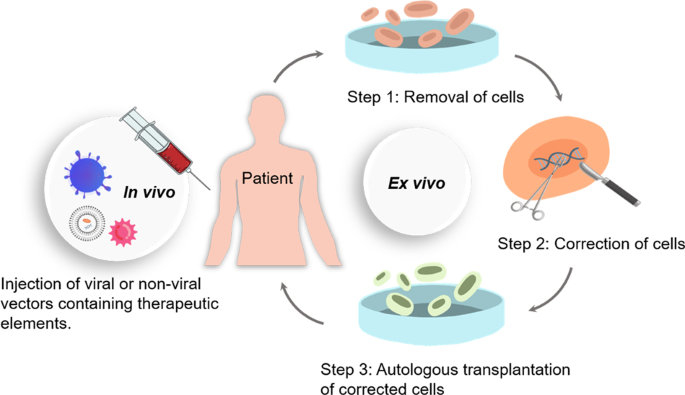
Clustered Regularly Interspaced Short Palindromic Repeats, or CRISPR, has emerged as a game-changing tool in genetic editing. This revolutionary technology allows scientists to precisely modify DNA sequences, enabling the correction of genetic defects, the creation of genetically modified organisms, and even the potential to eradicate certain hereditary diseases.
Precision and Possibilities
CRISPR’s precision and versatility have opened doors to a wide array of applications:
1. Disease Eradication
The ability to edit genetic sequences brings us closer to eradicating devastating hereditary diseases. By identifying and correcting genetic mutations responsible for disorders like cystic fibrosis, sickle cell anemia, and Huntington’s disease, CRISPR offers hope for improved quality of life and extended lifespans.
2. Agricultural Innovation
CRISPR technology has the potential to revolutionize agriculture by creating crops with enhanced nutritional profiles, resistance to pests, and tolerance to adverse environmental conditions. This could address global food security challenges and reduce the need for harmful pesticides.
3. Ethical Considerations
While the promise of genetic editing is tantalizing, it raises a myriad of ethical dilemmas:
A. Germline Editing
Editing the germline – the genetic material passed from one generation to the next – has the potential to eradicate genetic diseases from future generations. However, this also raises concerns about unintended consequences and the potential for “designer babies.”
B. Biodiversity and Ecosystems
Modifying the genetics of organisms could inadvertently disrupt ecosystems and lead to unintended environmental consequences. Striking a balance between innovation and preserving biodiversity is a formidable challenge.
C. Inequality and Access
As genetic editing technologies advance, ensuring equitable access to these treatments becomes crucial. Ethical questions arise about who gets to benefit from these advancements and who is left behind.
Navigating the Ethical Landscape
The ethical considerations surrounding genetic editing are complex and multifaceted. Striking a balance between scientific progress and responsible stewardship of genetic information requires thoughtful discourse and international collaboration. Organizations and regulatory bodies are actively working to establish guidelines that promote ethical research and application of genetic editing technologies.
The Future of Genetic Editing
As the field of genetic editing continues to evolve, its impact will extend beyond laboratories and academic institutions. Public dialogue and informed decision-making will shape the trajectory of genetic editing, ensuring that advancements are harnessed for the collective benefit of humanity.
Embracing Responsible Innovation
In conclusion, genetic editing and CRISPR technology are undeniably reshaping the landscape of scientific possibility. The potential to cure genetic diseases, enhance agricultural productivity, and address global challenges is awe-inspiring. However, the ethical implications cannot be ignored. Embracing responsible innovation, fostering ethical discourse, and ensuring inclusivity are crucial steps as we navigate this uncharted territory of reshaping life as we know it.

The Mango Flows Editorial Team is committed to creating accurate, insightful, and reader-focused content across business, technology, AI, marketing, finance, and digital innovation. Every article is carefully researched using trusted sources to ensure quality, transparency, and reliability for our readers.