
In the ever-evolving landscape of modern manufacturing, the integration of technology has ushered in a transformative era known as Industrial Automation. This groundbreaking advancement is redefining the way industries operate, optimize efficiency, and drive productivity to unparalleled heights. At its core, industrial automation involves the utilization of advanced technologies and intelligent systems to streamline processes, reduce human intervention, and enhance overall operational efficacy.
The Evolution of Manufacturing: A Historical Perspective
The roots of industrial automation can be traced back to the mechanization of labor-intensive tasks during the Industrial Revolution. As factories emerged and production processes became more complex, the need for efficient and consistent output led to the creation of automated machinery. Fast forward to the present day, and we find ourselves amidst a digital revolution that is transforming the manufacturing sector on a global scale.
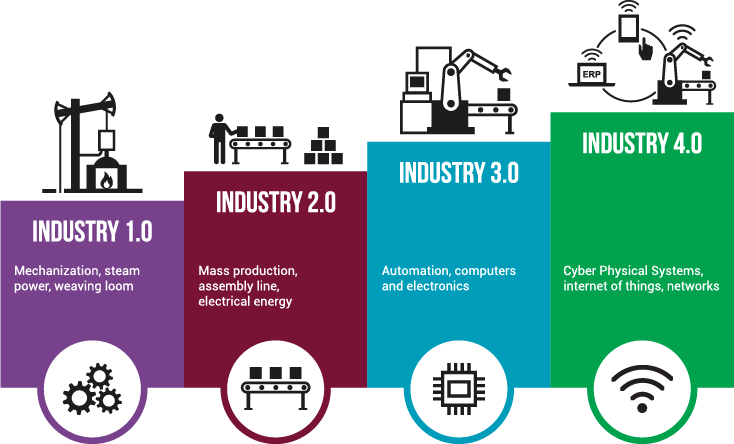
Key Components of Industrial Automation
1. Robotics and Autonomous Systems
Robots have evolved from mere mechanical arms to intelligent and adaptive systems capable of intricate tasks. From assembly lines to hazardous environments, these advanced machines are taking over roles that were once deemed impossible for automation. Equipped with sensors, AI algorithms, and machine learning capabilities, industrial robots are revolutionizing precision, speed, and safety.
2. IoT and Connectivity
The Internet of Things (IoT) is the backbone of industrial automation, connecting devices, machines, and systems through a network of sensors and data exchange. This seamless connectivity allows for real-time monitoring, data analysis, and predictive maintenance. Manufacturers can now proactively address issues, prevent downtime, and optimize processes, leading to unparalleled cost savings and efficiency gains.
3. Artificial Intelligence and Machine Learning
AI and machine learning algorithms are empowering machines to learn from data and make intelligent decisions. In manufacturing, this translates to predictive analytics, demand forecasting, and adaptive control. These technologies enable systems to continuously optimize themselves based on evolving parameters, ensuring maximum productivity while minimizing waste.
4. Human-Machine Collaboration
Contrary to popular belief, industrial automation isn’t about replacing humans—it’s about enhancing their capabilities. Collaborative robots, or cobots, are designed to work alongside human operators, combining the strengths of both. This synergy improves efficiency, reduces ergonomic strain, and promotes a safer working environment.
Advantages of Industrial Automation in Manufacturing
1. Enhanced Efficiency and Productivity
Automation eliminates repetitive tasks, reduces human errors, and maintains consistent quality. Manufacturers can achieve higher production rates without compromising on precision or reliability. This boost in efficiency directly translates to increased productivity and accelerated time-to-market.
2. Improved Quality Control
Automated systems are programmed to adhere to strict quality control standards, minimizing defects and variations in the production process. This results in products that meet or exceed customer expectations, bolstering brand reputation and customer loyalty.
3. Cost Savings
While the initial investment in industrial automation may seem substantial, the long-term benefits far outweigh the costs. Reduced labor expenses, minimized material waste, and optimized energy consumption contribute to significant savings over time.
4. Safety and Risk Mitigation
Dangerous tasks, such as handling hazardous materials or operating in high-risk environments, can be outsourced to robotic systems. This not only ensures the safety of human workers but also mitigates the potential for accidents and injuries.
The Future of Manufacturing: A Paradigm Shift
The ongoing advancements in industrial automation are shaping the future of manufacturing in unprecedented ways. As technology continues to evolve, we can anticipate even greater integration of AI, machine learning, and robotics. The concept of “smart factories” is becoming a reality, where every aspect of production is interconnected and optimized for maximum efficiency.
In conclusion, industrial automation stands as a true revolution in manufacturing—a paradigm shift that transcends traditional boundaries and propels industries into a new era of possibilities. The synergy between human ingenuity and technological innovation is redefining the limits of what can be achieved on the factory floor.

The Mango Flows Editorial Team is committed to creating accurate, insightful, and reader-focused content across business, technology, AI, marketing, finance, and digital innovation. Every article is carefully researched using trusted sources to ensure quality, transparency, and reliability for our readers.