
In today’s rapidly evolving technological landscape, the demand for efficient and scalable data infrastructure solutions has never been higher. With the increasing complexity of managing data at scale, organizations are turning to innovative approaches to streamline their operations, enhance flexibility, and ensure consistent performance. One such groundbreaking methodology that has taken the tech world by storm is Data Infrastructure as Code (DIaC), where automation and Infrastructure-as-Code (IaC) converge to revolutionize the way we manage, deploy, and scale data infrastructure.
Unveiling the Power of Data Infrastructure as Code
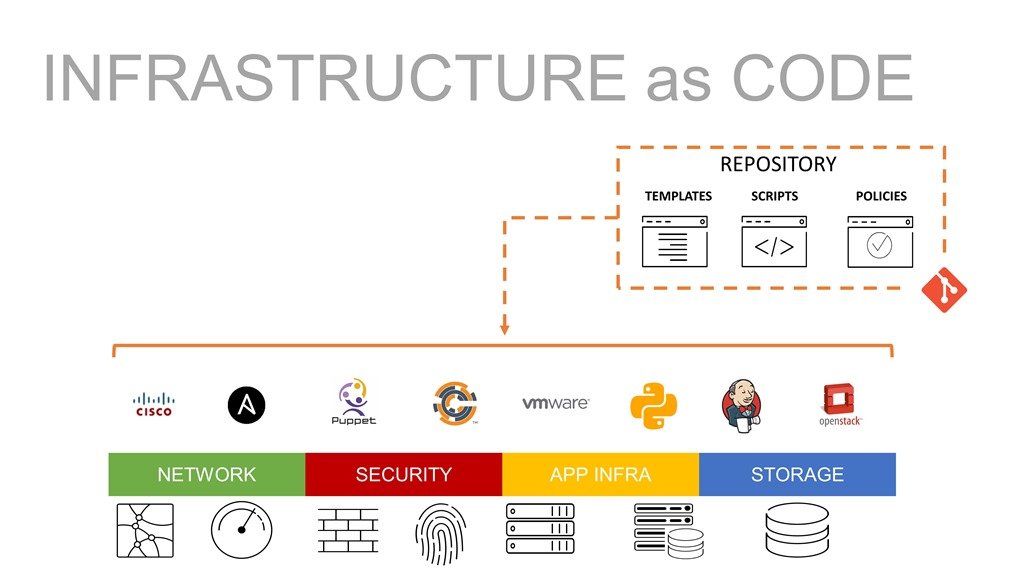
Data Infrastructure as Code is a paradigm shift that combines the principles of software development with data management. This novel approach treats data infrastructure elements such as databases, storage solutions, and data pipelines as code artifacts. By defining infrastructure configurations and provisioning processes as code, organizations gain unprecedented control, repeatability, and agility in managing their data ecosystems.
The Core Tenets of Data Infrastructure as Code
- Automation: Automation lies at the heart of DIaC. It empowers organizations to automate the provisioning, configuration, and management of data infrastructure components. This leads to reduced manual intervention, minimized errors, and faster deployment cycles.
- Scalability: With DIaC, scaling data infrastructure becomes seamless. Through code-driven scaling, resources can be dynamically allocated or de-allocated based on demand, ensuring optimal performance during peak usage periods while minimizing costs during lulls.
- Version Control: Just like software code, DIaC emphasizes version control. Infrastructure changes are tracked, documented, and managed through version control systems, enabling teams to collaborate effectively and roll back changes if needed.
- Reproducibility: DIaC ensures consistent environments across development, testing, and production stages. By codifying infrastructure, teams can recreate identical setups, minimizing discrepancies and accelerating troubleshooting.
- Flexibility: Traditional data infrastructure setups often require significant effort to modify or adapt. DIaC offers unparalleled flexibility, allowing organizations to swiftly adjust infrastructure configurations to accommodate evolving business requirements.
The Synergy of Automation and Infrastructure-as-Code (IaC)
Infrastructure-as-Code (IaC) is a cornerstone of the DIaC approach. It extends the principles of software development to infrastructure provisioning, offering a standardized way to define, deploy, and manage infrastructure resources through code.
Key Benefits of IaC in Data Infrastructure
- Consistency: IaC ensures that infrastructure is provisioned consistently across different environments, reducing the chances of configuration drift and ensuring reliable performance.
- Speed: Manual infrastructure provisioning can be time-consuming and error-prone. IaC accelerates this process by allowing infrastructure to be defined as code and provisioned with a few simple commands.
- Collaboration: IaC promotes collaboration between development and operations teams. Infrastructure code can be versioned, reviewed, and tested just like software code, leading to better alignment and reduced friction.
- Scalability: As data requirements grow, IaC enables organizations to scale their infrastructure efficiently. New resources can be added programmatically, and scaling policies can be codified to respond dynamically to changing demands.
Implementing Data Infrastructure as Code: Best Practices
Adopting DIaC requires careful planning and execution. To harness its full potential, organizations should follow these best practices:
1. Define Clear Architecture Patterns
Start by defining well-architected infrastructure patterns that align with your organization’s goals. This includes designing templates for databases, storage solutions, and data pipelines that can be easily replicated.
2. Utilize Infrastructure as Code Tools
Choose a suitable IaC tool, such as Terraform or AWS CloudFormation, to define and manage your data infrastructure. These tools provide declarative syntax and powerful capabilities to automate provisioning.
3. Embrace Modularity and Reusability
Break down complex infrastructure into modular components that can be reused across different projects. This not only speeds up development but also ensures consistency and reduces the risk of errors.
4. Version Everything
Implement robust version control for your infrastructure code. This enables tracking changes, collaborating effectively, and rolling back configurations if needed.
5. Automate Testing and Validation
Just as you would test software code, create automated tests to validate your infrastructure code. This helps catch issues early and ensures that your infrastructure behaves as expected.
6. Continuous Monitoring and Optimization
Implement monitoring and alerting mechanisms to keep track of your data infrastructure’s health and performance. Regularly review and optimize your infrastructure code to adapt to changing requirements.
Conclusion
In the realm of modern data management, Data Infrastructure as Code emerges as a powerful force, combining the precision of automation and the flexibility of Infrastructure-as-Code (IaC). This innovative approach empowers organizations to effortlessly orchestrate and manage complex data infrastructure, enabling them to meet the demands of today’s data-driven world.
As industries continue to evolve, the embrace of DIaC can provide a competitive edge by optimizing data infrastructure, accelerating deployment cycles, and enhancing collaboration between development and operations teams. By integrating automation and IaC principles, organizations can pave the way for a future where data infrastructure is not only robust but also easily adaptable to the ever-changing technological landscape.

The Mango Flows Editorial Team is committed to creating accurate, insightful, and reader-focused content across business, technology, AI, marketing, finance, and digital innovation. Every article is carefully researched using trusted sources to ensure quality, transparency, and reliability for our readers.