
In the quest for a sustainable and environmentally-conscious future, the evolution of renewable energy technologies has emerged as a beacon of hope. With the pressing need to reduce our dependence on fossil fuels and mitigate the impacts of climate change, innovative solutions have taken center stage. This article delves into the remarkable journey of renewable energy technologies, showcasing their pivotal role in shaping a greener and more sustainable world.
The Promise of Clean Energy
Renewable energy technologies encompass a diverse array of sources, each harnessing the power of nature to generate clean and sustainable energy. Solar, wind, hydro, geothermal, and biomass are among the prominent sources that hold the promise of reducing carbon emissions and curbing the adverse effects of traditional energy generation.
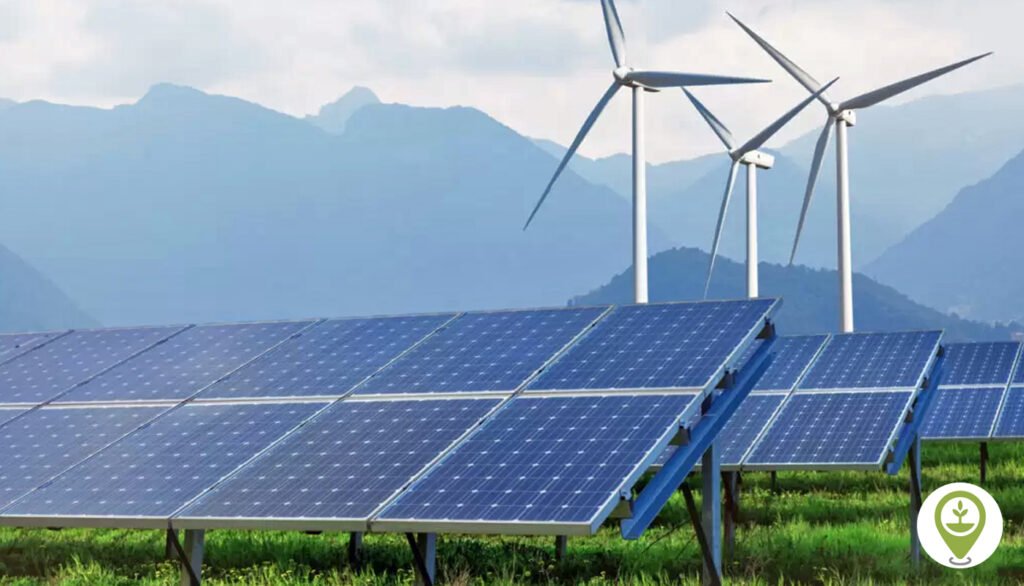
Solar Power: Harvesting Energy from the Sun
Solar energy stands as a symbol of limitless potential. Photovoltaic cells convert sunlight into electricity, offering a decentralized and abundant source of power. Advancements in solar technology have led to more efficient panels, flexible applications, and integration into various infrastructures, paving the way for a solar-powered future.
Harnessing Wind: Turning Gusts into Power
Wind energy has rapidly evolved into a formidable player in the renewable energy landscape. Wind turbines, both onshore and offshore, capture kinetic energy from the wind and convert it into electricity. Innovations in turbine design and construction have made wind power more efficient, cost-effective, and capable of meeting significant portions of energy demand.
Tapping into Hydroelectric Potential
Hydropower capitalizes on the force of flowing water to generate electricity. From dams to run-of-the-river systems, hydroelectric power stations provide consistent and renewable energy. Modern hydro technologies emphasize minimal environmental impact, preserving aquatic ecosystems while supplying clean energy to communities.
Geothermal Energy: Earth’s Underlying Heat
Beneath the Earth’s surface lies a reservoir of heat that can be harnessed through geothermal energy. This technology involves tapping into hot water and steam reservoirs to drive turbines and produce electricity. Geothermal power offers a reliable and consistent energy source, with the potential to power entire communities.
Biomass: Energy from Organic Matter
Biomass energy harnesses the energy stored in organic materials like wood, agricultural residues, and even waste. Through processes like combustion, gasification, or anaerobic digestion, biomass can produce heat, electricity, and even biofuels. This technology contributes to waste reduction while offering a renewable energy source.
Grid Integration and Energy Storage
The integration of renewable energy into existing power grids presents both challenges and opportunities. Energy storage technologies, such as batteries and pumped storage, play a crucial role in managing the intermittency of renewable sources. These solutions ensure a stable and reliable power supply, even when the sun isn’t shining or the wind isn’t blowing.
Innovations in Efficiency and Affordability
Continuous advancements in renewable energy technologies have driven down costs and improved efficiency. From floating solar farms on reservoirs to vertical-axis wind turbines in urban environments, innovation is making clean energy more accessible and adaptable to diverse settings.
The Path Forward: A Sustainable Future
The journey of renewable energy technologies is far from over. As the world seeks to transition to a low-carbon future, ongoing research and development are crucial. Emerging technologies like tidal energy, advanced solar cells, and enhanced geothermal systems hold the promise of unlocking new frontiers in sustainable energy generation.
The Power of Collaboration
The renewable energy revolution is a global endeavor that requires collaboration among governments, industries, and communities. International agreements and initiatives strive to accelerate the adoption of renewable energy technologies, fostering a collective commitment to a cleaner and more sustainable planet.
In conclusion, renewable energy technologies stand as a beacon of hope in the pursuit of a sustainable and greener future. Through innovation, collaboration, and a shared dedication to preserving our planet, we have the power to transform the energy landscape and pave the way for a more environmentally-conscious tomorrow.

The Mango Flows Editorial Team is committed to creating accurate, insightful, and reader-focused content across business, technology, AI, marketing, finance, and digital innovation. Every article is carefully researched using trusted sources to ensure quality, transparency, and reliability for our readers.